More tailored design outcomes
Different materials can be assigned different roles for warmth, openness, texture, or structure.

Mixed-material railings create more depth than single-material systems by combining metal with glass, wood, cable, or other finish elements. That flexibility helps the railing support the larger design language of the project instead of forcing one visual note everywhere.
We help clients across the DMV, including Manassas, Northern Virginia, Washington, DC, and nearby Maryland communities combine metal with surrounding materials in a way that feels balanced, buildable, and visually resolved.
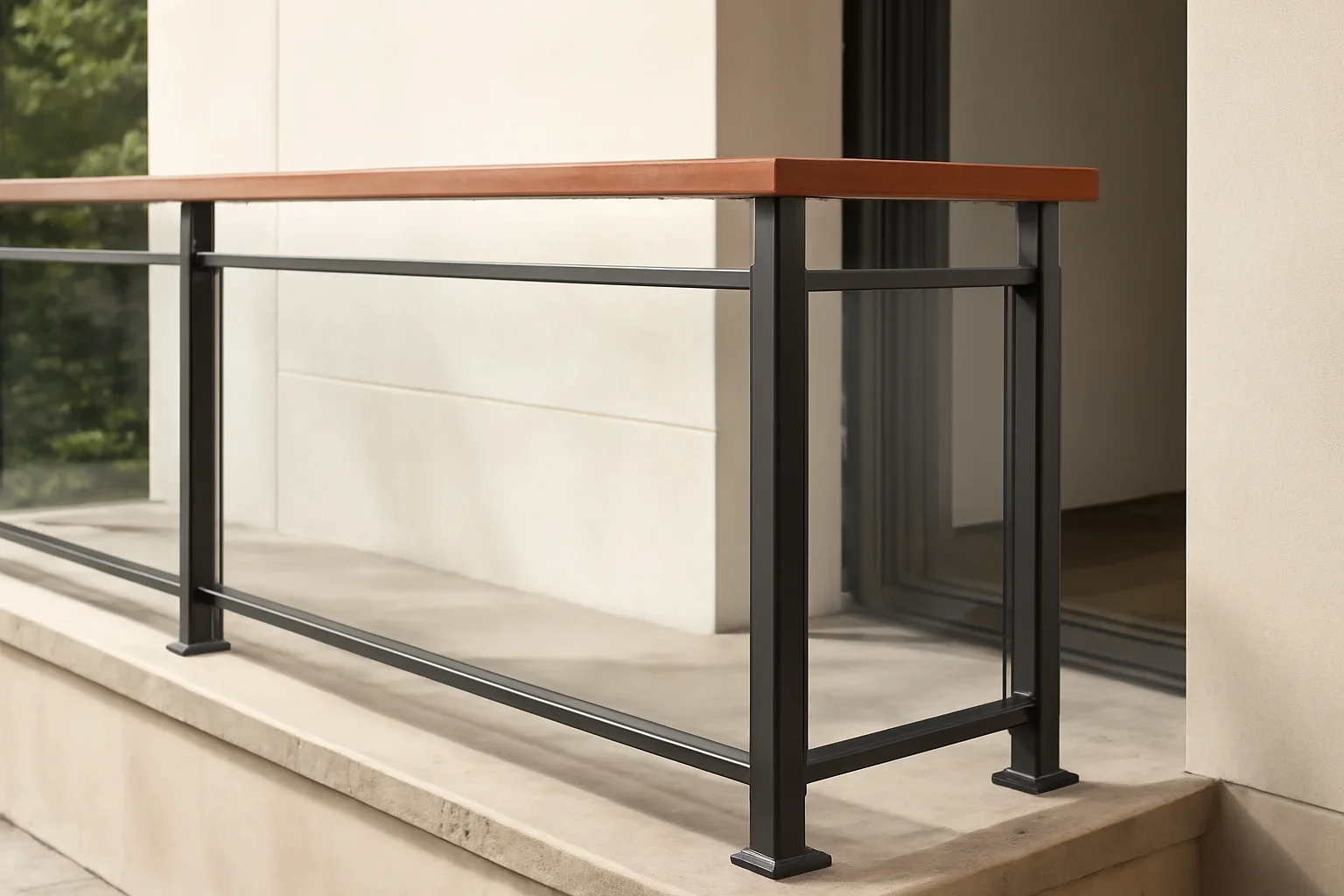
Different materials can be assigned different roles for warmth, openness, texture, or structure.
Mixed-material railings often connect more naturally with floors, stair treads, cabinetry, and wall treatments.
They work in custom homes, hospitality spaces, multifamily amenities, and other design-led environments.
The strongest mixed-material projects treat every junction, transition, and profile as part of the design instead of leaving the details to chance. That means thinking through support, finish compatibility, sightlines, and what should feel prominent versus quiet in the final composition.
Our team works through those details so the metal complements the surrounding materials rather than overpowering them.
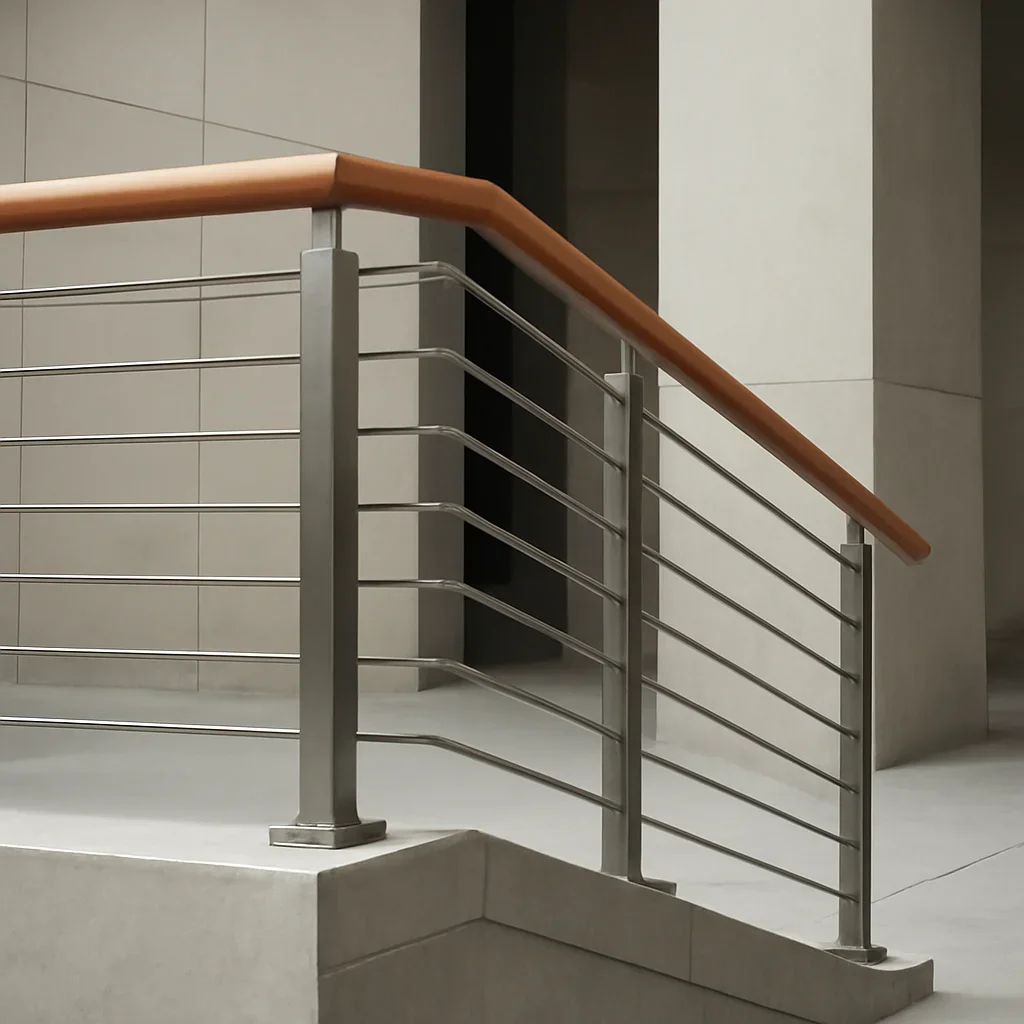
Attachment, support, and tolerance planning influence how cleanly metal meets adjacent materials.
Surface quality, sheen, edge treatment, and color should work with the surrounding palette.
Mixed-material scope often moves best when the order of work is discussed before fabrication begins.
Send us your reference images, drawings, and finish ideas. We will review how the materials can work together and what the fabrication pathway should look like.